
Ironing, more accurately called pressing, is one of the most important yet overlooked steps in sewing. Whether you’re making garments, bags, quilts, or home décor, pressing as you sew is often the difference between a project that looks homemade and one that looks polished and professional.
If you’ve ever wondered why your seams don’t line up, your garment doesn’t hang quite right, or your finished project looks slightly “off,” the issue is rarely your sewing machine. More often than not, it comes down to skipping the iron. Understanding why pressing is important in sewing can completely change the quality of your results, even if your sewing skills stay the same.
Ironing vs Pressing in Sewing
Many beginners assume that ironing and pressing are the same thing, but in sewing, they serve very different purposes. Ironing refers to sliding the iron back and forth across fabric to remove wrinkles, which is helpful before you begin a project. Pressing, however, is a more controlled technique that involves lifting and lowering the iron to shape fabric, set seams, and lock stitches in place.
This distinction matters because sliding the iron while sewing can stretch fabric and distort your carefully cut pieces. Pressing keeps everything aligned and stable, which is essential for accuracy. Once you begin using pressing instead of ironing during construction, you’ll notice an immediate improvement in how your pieces fit together.
Why Ironing Fabric Before Cutting Is Critical
Fabric is typically stored folded on a bolt, which creates deep creases and can slightly distort the grain. If you skip pressing and cut your pattern pieces directly from folded fabric, those distortions transfer into your project. This often leads to uneven pieces, twisted seams, and garments that don’t hang correctly on the body.
Taking a few minutes to press your fabric before cutting allows the fibers to relax and return to their natural shape. This ensures your pattern pieces are accurate, your grainline is properly aligned, and your final project looks balanced and symmetrical. For beginners, especially, this one habit can prevent a long list of frustrating mistakes later on.
Pressed Seams Create Stronger, Flatter Results
Pressing each seam as you sew is one of the simplest ways to improve the overall quality of your project. When stitches are first sewn, they sit slightly raised and can cause the fabric to pucker or feel bulky. Pressing helps set those stitches into the fabric, smoothing everything out and creating a flatter, more professional finish.
It also reduces bulk, which becomes especially important when multiple seams intersect. Without pressing, layers can build up quickly and make construction more difficult. By pressing as you go, each step becomes easier, and the final result looks cleaner and more refined. This is why experienced sewists treat pressing as part of the sewing process rather than a final step.
Ironing Improves Fit and Garment Shape
Pressing plays a major role in how a finished garment fits and drapes on the body. It’s not just about making things look nice; it actively shapes the fabric. Darts, for example, rely on proper pressing to lay flat and blend smoothly into the garment. Without it, they can look bulky or uneven.
The same is true for curved seams like armholes, necklines, and collars. These areas are designed to contour to the body, and pressing helps them hold that shape. Waistbands and hems also benefit from pressing, as it gives them a crisp, structured finish that holds up during wear. Even if your stitching is technically correct, skipping this step can make the entire garment look unfinished.
Pressing Makes Sewing More Accurate
Accuracy in sewing often comes down to control, and pressing gives you that control. When fabric is flat and seams are properly set, it’s much easier to match notches, align edges, and sew straight, even lines. Pressed seams stay in place, reducing shifting and helping maintain precision as you move through each step of construction.
You’ll also find that your sewing machine performs better with pressed fabric. It feeds more evenly, which leads to smoother stitching and fewer errors. Small details like crisp corners and straight topstitching become much easier to achieve when the fabric has been properly pressed beforehand.
Ironing Is the Key to Professional-Looking Sewing Projects
One of the biggest differences between beginner and professional sewing is not the machine, the fabric, or even the pattern, it’s pressing. Projects that are pressed throughout construction have a polished, finished appearance that’s hard to achieve any other way.
They tend to look more like store-bought items, photograph better for blogs and social media, and feel more comfortable when worn or used. Pressing enhances every part of the sewing process, from the first cut to the final stitch. If your goal is to create high-quality handmade pieces, this is a step you simply can’t skip.
Essential Ironing Tools for Sewing
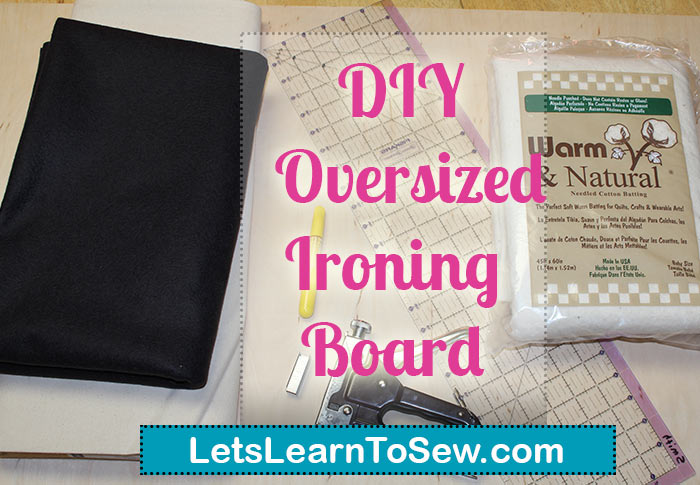
While you don’t need a large investment to get started, having the right tools makes pressing more effective and efficient. A reliable steam iron with adjustable heat settings is essential, as different fabrics require different levels of heat and moisture. An ironing board or pressing mat provides a stable surface, while a press cloth helps protect delicate fabrics from heat damage. Want a larger pressing surface? Check out my tutorial for making an oversized ironing board/mat here.
For more advanced shaping, tools like a tailor’s ham are incredibly helpful, especially when working with curved seams. These tools allow you to press areas like darts and armholes without flattening their shape. Using the proper equipment ensures better results and helps prevent accidental damage to your fabric.
Keeping your iron clean is also important for achieving professional-looking results. Over time, residue and buildup on the soleplate can transfer onto fabric or affect steam performance.
👉 If your iron needs a refresh, you can read my tutorial on how to clean an iron here.
When Should You Press While Sewing?
A common question is when to press during a project, and the answer is simple: more often than you think. Pressing should happen before you cut your fabric, after every seam is sewn, and before any finishing steps, such as topstitching or hemming. It’s also helpful to give your project a final press once everything is complete.
Having a comfortable pressing setup makes it much easier to stay consistent. If your ironing board feels too small for sewing projects, upgrading to a larger pressing surface can make sewing more enjoyable and efficient. I also have a step-by-step tutorial showing how to make a custom oversized ironing board/mat for sewing projects.
Although it may seem like an extra step, pressing actually saves time in the long run. It prevents mistakes, improves accuracy, and reduces the need for corrections later. Once you build it into your routine, it becomes second nature and significantly improves your results.
Final Thoughts: Why Ironing Matters in Sewing
Pressing isn’t an optional step; it’s a foundational sewing skill that directly impacts the quality of your work. By taking the time to press as you sew, you improve accuracy, strengthen your seams, enhance garment fit, and create a more professional-looking finish.
If something in your project doesn’t look quite right, it’s worth asking yourself one simple question: Did I press it? In many cases, that small step is exactly what’s missing.