

Basic Sewing Tools and Supplies for Beginners: Sewing 101
Starting to sew is exciting, but walking into a fabric or craft store can quickly become overwhelming. There are hundreds of sewing tools and supplies available, and it is easy to think you need every gadget on the shelf before you can start your first project.
The good news is that you do not need an overflowing sewing room to begin sewing. You can easily spend a small fortune on tools, rulers, gadgets, and specialty equipment, but most beginners only need a handful of basic sewing tools. Start with the essentials and gradually add to your sewing basket as you discover what types of projects you enjoy most.
The sewing tools you need may vary depending on whether you sew clothing, quilts, bags, home décor, or crafts, but the tools below will be useful for almost every project.
Essential Sewing Tools Every Beginner Needs
Fabric Scissors
A quality pair of fabric scissors is one of the most important sewing tools you will ever purchase. Sharp cutting tools make sewing easier, more accurate, and much more enjoyable. Cheap scissors often snag fabric, leave jagged edges, and can make cutting frustrating very quickly.
I strongly recommend keeping one pair of scissors strictly for fabric and a separate pair for paper patterns and general household use. Paper dulls blades much faster than fabric, and once your fabric scissors lose their sharp edge, you will notice the difference immediately.
I personally like Gingher scissors because of their reliability and durability. I can cut through several layers of heavy fabric and still get a clean cut as if I were cutting a single layer. If you reserve them for fabric only, they can stay sharp for a very long time.
Related: [Best Sewing Scissors and Cutting Tools]
Thread Snips or Small Craft Scissors
Small scissors or thread snips may seem optional at first, but they quickly become one of the most frequently used tools in your sewing room.
I always keep a pair beside my sewing machine because they are much easier to grab when clipping threads than reaching for large fabric scissors every few minutes. They also make it easier to trim corners, clip curves, and clean up projects as you sew.
Once you start using thread snips regularly, you will wonder how you ever sewed without them.
Seam Ripper
Every sewist makes mistakes. It does not matter how long you’ve been sewing, at some point, you will sew something backward, stitch the wrong seam, or accidentally skip a step.
A seam ripper has a small, sharp blade and a hook designed to cut stitches without damaging the surrounding fabric. Sooner or later, this little tool becomes your best friend.
I actually keep multiple seam rippers around my sewing space: one near my machine, one by my ironing board, and another in my sewing kit. They do become dull over time, so they occasionally need to be replaced.
Related: How to Use a Seam Ripper Properly
Pins and a Pin Cushion
Pins help hold layers of fabric together before sewing and can make tricky projects much easier to manage.
Different fabrics often work better with different pins:
- Universal pins for woven fabrics
- Ballpoint pins for knit fabrics
- Fine pins for lightweight or delicate materials
I personally use magnetic pin cushions because I love not having to chase pins across the floor after accidentally knocking over a traditional pin cushion. I keep one by my sewing machine, one on my cutting table, and one near my ironing board.
Sewing Machine Needles
Many beginners do not realize how important sewing machine needles really are. Needles gradually become dull with use, and a dull needle can lead to skipped stitches, puckering, uneven stitching, and fabric damage.
Different fabrics require different needle types and sizes:
- Lightweight fabrics → smaller needles
- Heavy fabrics → larger needles
- Knit fabrics → ballpoint needles
- Denim and canvas → heavy-duty needles
Changing your needle regularly can solve many sewing problems almost instantly.
Related: How to Choose the Correct Sewing Machine Needle
Hand Sewing Needles
Even if you plan to sew mostly by machine, hand sewing needles are still essential.
Most sewing projects require some type of hand finishing, such as:
- Sewing on buttons
- Closing turning openings
- Hand stitching hems
- Quick clothing repairs
Having several different sizes available gives you more flexibility for different projects.
Flexible Tape Measure
A flexible tape measure is one of the most basic sewing supplies every sewist should own.
Unlike rigid rulers, tape measures can bend and curve around the body or fabric, making them ideal for measuring:
- Body measurements
- Curved areas
- Fabric dimensions
- Pattern adjustments
No matter what type of sewing you do, you will use a tape measure constantly.
Fabric Marking Tools
Fabric marking tools allow you to transfer pattern markings and sewing lines onto fabric.
I personally prefer Pilot FriXion pens because they have a fine point, come in multiple colors, and disappear instantly when pressed with an iron. However, I still keep tailor’s chalk nearby because certain fabrics do not react well with heat-erasable pens.
No matter which marking tool you use:
Always test on a fabric scrap first.
Some fabrics can permanently retain markings.
Seam Gauge
A seam gauge is one of those sewing tools that seems simple at first but becomes incredibly useful once you start using it regularly.
Most people think of a seam gauge as a tool for checking seam allowances, but it can do much more:
- Measuring hems
- Marking button spacing
- Checking pleat depth
- Creating even seam allowances
- Measuring curves
- Making quick pattern adjustments
I use mine frequently when adjusting paper patterns because it makes creating consistent measurements fast and easy.
Related: [How to Use a Seam Gauge: 10 Practical Uses Every Sewist Should Know]
Steam Iron
Pressing is just as important as stitching.
A good steam iron can dramatically improve your finished projects by helping you:
- Press seams flat
- Remove wrinkles
- Shape fabric
- Create crisp edges
Choose an iron with adjustable heat settings and steam functionality. A heavier iron often works better because the added weight helps press fabric more effectively.
Many sewing problems can actually be fixed simply by pressing properly.
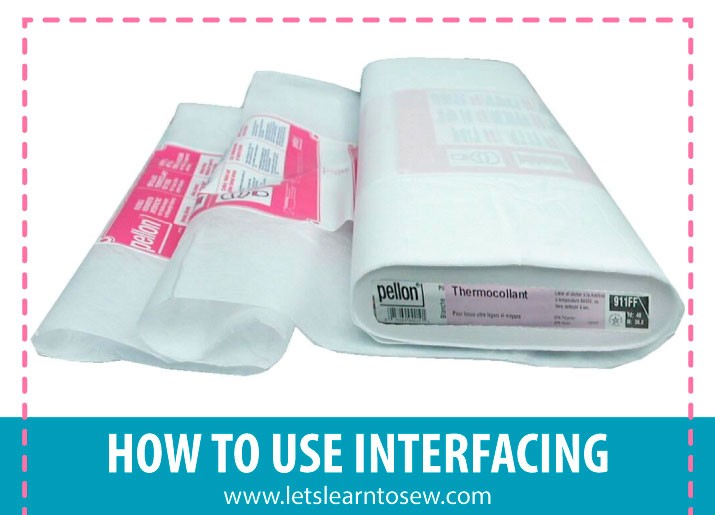
Fusible Webbing and Hem Tape
Fusible webbing and hem tape are wonderful tools for quick fixes and beginner-friendly projects.
I most commonly use fusible webbing to hold hems in place before stitching instead of pinning. It also works well for:
- Holding appliqués in place
- Positioning patches
- Temporary fabric placement
- No-sew projects
It can make sewing easier and help prevent shifting while you work.
Basic Sewing Tools Checklist
✔ Fabric scissors
✔ Thread snips
✔ Seam ripper
✔ Pins and pin cushion
✔ Sewing machine needles
✔ Hand sewing needles
✔ Flexible tape measure
✔ Fabric marking tools
✔ Seam gauge
✔ Steam iron
✔ Fusible webbing
Frequently Asked Questions
What sewing tools do beginners need?
Beginners should start with fabric scissors, thread snips, pins, needles, a seam ripper, tape measure, fabric marking tools, a seam gauge, and an iron.
What is the most important sewing tool?
Most sewists consider quality fabric scissors one of the most important sewing tools because accurate cutting affects every project.
Do I need expensive sewing tools?
Not necessarily. Start with quality basics and upgrade over time as you sew more often and discover the types of projects you enjoy most.
Every sewist starts somewhere, and you do not need a sewing room full of tools to create beautiful projects. Begin with the basics, learn what each tool does, and build your collection over time. Before long, you will find yourself reaching for your favorite sewing tools without even thinking about it. The right tools really can make sewing easier, more enjoyable, and a lot more fun.
Learn to Sew or Improve Your Sewing Skills
Do you want to start sewing but need a helping hand with the basics? Our Sewing 101 course has everything you need to start sewing confidently and improve your skills. Be sure to join our free private Facebook group.

I love, love my gingher scissors! I am so glad I found your blog! Great info!
Great starting list! I have to admit that sewing often intimidates me. I think I need to come take a beginner class!
A class is great to get you over that initial fear and then it’s like anything else, the more you do it the easier it gets!
Such great info! I find myself hesitant to pull out the sewing machine because I know enough to know I have no idea what I need to know! 😉
Wonderful list of sewing must-haves! I can sew a straight line and that’s about it…….but boy what I can make with straight lines! Thanks for the tips.
What a wonderful list! I’m not great with a sewing machine, but have made quilts the old-fashioned way with my grandmother. Pinning for my crafting friends!
This is great info! I want to start sewing. Your friend from TXWB, Lisa/Princess Mousey
I used to watch my mom sew all the time! Thanks for bringing back some lovely memories! Maybe I’ll learn one day. 🙂