
Cotton fabric is one of the most beginner-friendly materials you can sew. Because it’s stable, easy to press, and widely available, cotton works beautifully for everything from garments to quilts and home décor projects. Whether you’re brand new to sewing or simply want cleaner results, learning how to sew cotton fabric properly can instantly improve your finished projects.
In this guide, you’ll learn:
- The best needles and thread for cotton fabric
- Why prewashing matters
- Common sewing mistakes to avoid
- Helpful tips for cleaner seams
- Recommended sewing tools and supplies
Why Cotton Fabric Is Great for Sewing
Cotton is often recommended for beginners because it behaves predictably while sewing. Unlike slippery or stretchy fabrics, cotton stays in place and presses beautifully. As a result, it’s much easier to cut accurately and sew straight seams.
Additionally, cotton fabric comes in a wide variety of weights, prints, and textures, making it useful for countless sewing projects.
Cotton fabric is commonly used for:
- Dresses
- Aprons
- Quilts
- Tote bags
- Pillow covers
- Children’s clothing
- Home décor
If you’re new to sewing, cotton is usually the best fabric to start with before moving on to more difficult materials like satin, chiffon, or stretch knits.
👉Discover more Fabric Guides
- How to Sew Linen
- How to Sew Denim
- How to Sew Leather
- How to Sew Satin
- How to Sew Knits
Types of Cotton Fabric
Although cotton is often grouped into one category, several types of cotton fabric sew differently. Therefore, understanding the differences can help you choose the right fabric for your project.
Quilting Cotton
Quilting cotton is one of the easiest fabrics to sew. Since it has a medium weight and stable weave, it works well for:
- Quilts
- Tote bags
- Beginner garments
- Crafts
Cotton Lawn
Cotton lawn is lightweight and soft with a smoother finish. Because of its drape, it’s commonly used for:
- Blouses
- Dresses
- Lightweight summer clothing
Cotton Canvas
Canvas is a much heavier cotton fabric. Consequently, it’s ideal for:
- Tote bags
- Pillows
- Upholstery
- Structured home décor projects
Cotton Voile
Voile is lightweight and semi-sheer. While it creates beautiful garments, it can be slightly trickier for beginners to handle.
Cotton Flannel
Flannel has a soft, brushed surface that makes it perfect for:
Should You Prewash Cotton Fabric?
Yes, you should almost always prewash cotton fabric before sewing.
Since cotton tends to shrink after washing, skipping this step can completely change the size and fit of your finished project. Furthermore, prewashing softens the fabric and removes excess dye.
Benefits of Prewashing Cotton
Prewashing helps:
- Prevent shrinking later
- Remove excess dye
- Soften stiff fabric
- Reveal any fabric distortion before sewing
How to Prewash Cotton Fabric
For best results:
- Wash the fabric using the same settings you plan to use later
- Dry the fabric completely
- Press the fabric before cutting
If your fabric frays heavily during washing, serge or zigzag the raw edges beforehand.
👉 Helpful resources:
👉 Favorite Products
Best Needle for Sewing Cotton Fabric
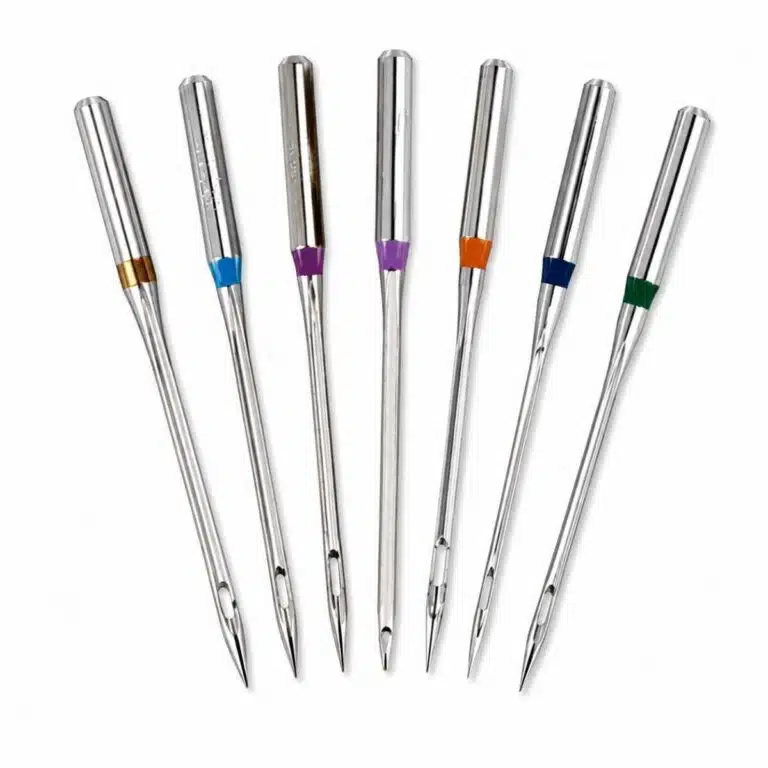
Using the correct sewing machine needle makes a huge difference in stitch quality. While cotton is generally easy to sew, the wrong needle can still cause puckering or skipped stitches.
Recommended Needle Sizes
- 70/10 — lightweight cotton fabrics
- 80/12 — standard quilting cotton
- 90/14 — heavier cotton or canvas
Best Needle Types
Most of the time, a universal needle works perfectly for cotton fabric. However, sharp needles can produce especially crisp seams on tightly woven cottons.
👉 Amazon Picks:
Best Thread for Cotton Fabric
For most cotton projects, all-purpose polyester thread works beautifully. Because polyester thread is durable and versatile, it’s a reliable option for garments and everyday sewing.
On the other hand, many quilters prefer cotton thread because it blends naturally with cotton fabric and creates a softer finish.
Recommended Thread Types
- Polyester thread → strong and versatile
- Cotton thread → excellent for quilting
- Heavy-duty thread → ideal for canvas projects
👉 Ultimate Sewing Thread Guide
👉 Amazon Picks:
How to Cut Cotton Fabric Accurately
Although cotton cuts easily, accuracy still matters. Crooked cuts and uneven grainlines can affect the entire project.
Before cutting:
- Press the fabric completely
- Use sharp scissors or a rotary cutter
- Cut on a flat surface
- Double-check directional prints
Additionally, pattern weights can help prevent shifting while cutting.
👉 Resource Guides
- Rotary Cutter Guide
- Essential Sewing Tools
- Beginner Sewing Supply List
👉 Amazon Picks:
- Rotary cutter sets
- Self-healing cutting mats
- Fabric weights
Best Sewing Machine Settings for Cotton
Fortunately, cotton fabric usually sews well with standard machine settings.
Recommended Settings
- Stitch length: 2.5 mm
- Standard tension setting
- Straight stitch for seams
- Zigzag stitch for finishing raw edges
If you’re sewing heavier cotton canvas, slightly increasing the stitch length can help the fabric feed more smoothly.
👉 Suggested resources for beginners
How to Press Cotton Fabric Properly
Pressing is one of the easiest ways to make your sewing projects look more professional. In fact, pressing throughout the sewing process creates flatter seams and cleaner finishes.
Press as You Sew
Rather than waiting until the project is finished, press:
- Before cutting
- After sewing seams
- Before hemming
- Before topstitching
Use Steam Carefully
Because cotton responds extremely well to steam, pressing can dramatically improve the appearance of your project.
👉 Importance of Ironing and Pressing When Sewing
👉 Amazon Picks:
Common Mistakes When Sewing Cotton Fabric
Even though cotton is beginner-friendly, a few mistakes can still cause frustration.
Skipping Prewashing
Without prewashing, cotton fabric may shrink after the first wash.
Using a Dull Needle
A dull needle can damage fabric fibers and create uneven stitches.
Forgetting to Press
Unfortunately, skipping pressing often makes projects look unfinished.
Pulling the Fabric While Sewing
Instead of pulling fabric through the machine, let the feed dogs do the work. Otherwise, seams can stretch or distort.
Ignoring Grainlines
Cutting fabric off-grain can twist garments and affect how they hang.
Beginner-Friendly Cotton Sewing Projects
Because cotton is stable and forgiving, it’s ideal for beginner sewing projects.
Easy projects include:
- Pillow covers
- Aprons
- Scrunchies
- Tote bags
- Table runners
- Pajama shorts
- Quilted coasters
Best Cotton Fabric for Beginners
If you’re learning to sew, medium-weight quilting cotton is usually the easiest option. Since it holds its shape well, it’s easier to cut, pin, and sew accurately.
Beginners should generally avoid:
- Very lightweight voile
- Slippery cotton blends
- Thick multi-layer canvas projects
Additionally, simple prints and solid fabrics are often easier to work with than bold directional patterns.
Frequently Asked Questions About Sewing Cotton Fabric
Is cotton fabric easy to sew?
Yes. Cotton is one of the easiest fabrics for beginners because it’s stable, easy to press, and doesn’t stretch excessively.
Does cotton fabric shrink?
Yes. Most cotton fabrics shrink after washing, which is why prewashing is important.
What needle should I use for cotton fabric?
An 80/12 universal needle works well for most medium-weight cotton fabrics.
What stitch length works best for cotton?
For most projects, a 2.5-3.0 mm stitch length works perfectly.
Do I need a special thread for cotton fabric?
No. Standard all-purpose polyester thread works well for most cotton sewing projects.
Final Thoughts on Sewing Cotton Fabric
Cotton fabric is one of the most versatile materials you can sew. Because it’s stable, beginner-friendly, and widely available, it’s perfect for learning new sewing skills while creating beautiful projects.
By prewashing properly, using the right needle, and pressing consistently, you can dramatically improve your sewing results. More importantly, taking your time with cutting and seam construction will help your finished projects look polished and professional.
Whether you’re sewing garments, quilts, or home décor, cotton fabric is an excellent choice for sewists at every skill level.